"100% of profits go to
disability-focused charities."
disability-focused charities."

What actually tips the odds when the reels stop on a symbol you barely saw spin? Most regulars have asked themselves that while watching a line-up melt into a loss. The answer sits in the maths behind the screen, and it is not the same as the old fixed-paytable machines that still turn up in some regional pubs. When you search for weighting system pokies explained AUD, you are really asking how the game decides which symbol gets a heavier chance of landing and what that means for your stack in Australian dollars.
Nicholas Tie has spent years mapping search queries against platform architecture at Easygo, and he treats the question the way an engineer treats a load-bearing wall. You do not guess which beam carries the weight, you measure it. The same discipline applies when a punter tries to read a pokie that feels sticky on losses and generous on the odd win. Tie says the job is to separate the visible paytable from the invisible distribution underneath, because that gap is where most bad reads begin.

Every video pokie runs on a virtual reel map that assigns a probability to each stop position. The symbols you see on screen are only the final layer, and the game engine weights them long before the spin resolves. A cherry might appear twice on the display but carry a far smaller slice of the probability pie than a top-tier symbol that shows up once. That is the core of what players mean when they talk about weighting, and it is why two games with identical paytables can pay out very differently.
Tie compares the setup to a harness race where the driver sits in the sulky behind the horse, reading the pace from a position that never touches the ground. The player watches the symbols, but the weighting sits behind the screen, pulling the result in a direction the eye cannot track. That distance matters, because a machine can look balanced while actually favouring a narrow set of outcomes.
A paytable tells you what a combination pays, not how often the machine lets that combination form. Players who treat the table as a promise rather than a reference point miss the whole point of the weighting layer. A five-of-a-kind diamond might pay a serious line, yet the virtual map can make that event rare enough to barely register over a long session. The numbers on the screen are real, but they are only half the story.
Some regional machines in Queensland still carry the feel of older fixed odds setups, which trains players to expect a steadier rhythm than a modern video pokie delivers. The newer games stack volatility into the weighting, so a long flat spell can precede a cluster of bigger hits or nothing at all. That shift is why a punter who trusts only the printed table often walks away frustrated.
Volatility describes how aggressively a game distributes its payouts over time, and weighting is the mechanism that shapes that distribution. A high volatility pokie concentrates its probability toward fewer, larger events, while a lower volatility game spreads smaller wins more regularly. Neither approach changes the theoretical return on its own, but both change how fast a bankroll can swing.
Tie judges a game by how well its weighting matches the player’s tolerance for dry spells, because a mismatch is where bad sessions grow. A punter who chases frequent feedback will misjudge a heavy-volatility title, and a player who wants a single big hit will hate a flat, frequent-payer. The choice is not about which game is better, it is about which weighting profile fits the session you actually want to play.
The return to player figure describes the theoretical share of wagered money a game is designed to pay back over an extended run, and it is built directly into the weighting model. That figure is a long-run design target, not a promise for any single session or even a single night. A game can hold a solid theoretical return and still produce a brutal afternoon because the weighting concentrates outcomes into a pattern that does not match your play.
Australian players should remember that the Interactive Gambling Act 2001 sets the legal boundaries for how gambling services can be offered to Australians, but it does not make offshore online casino play licensed or regulated here. That distinction matters when a punter reads a return figure and assumes the same oversight applies as it would in a licensed domestic venue. The number on the screen is a design claim, not a government guarantee.
A smart read starts with the paytable and then asks how often each paying symbol actually has a chance to land. Players who skip that second step tend to overvalue visible frequency and undervalue hidden weighting. The practical move is to note which symbols carry the big payouts and then judge whether the game’s pacing suggests those symbols are rare or merely quiet.
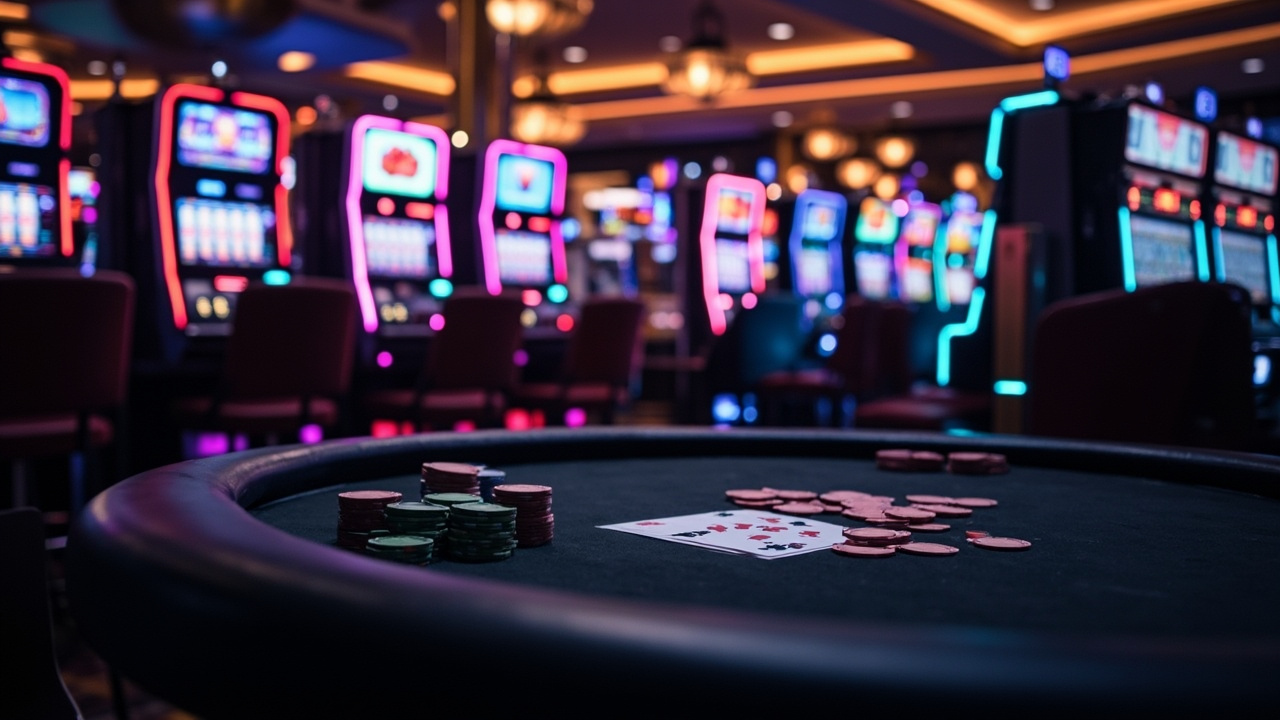
Tie suggests treating each session like a test of a specific hypothesis rather than a vague hope, because clear expectations stop a punter from chasing a pattern that is not there. Say you deposit fifty dollars and set a hard stop at that amount, then watch how the game distributes its smaller wins before you decide whether the weighting suits you. That kind of discipline turns a vague session into something you can actually judge.
Out near the smaller centres around Cairns, a local punter called Dale ran a careful test on a mid-volatility pokie after a weekend away from the bigger capitals. He set himself a limit of two hundred dollars for the session and tracked how many spins it took to see a meaningful hit, rather than counting every small return. The weighting showed itself quickly: small wins arrived often enough to keep him seated, but the larger combinations stayed rare enough that the session only stayed positive because he stopped at the line he had set.wolf treasure casino on web platform Mumbrella
Dale’s read was simple and useful. The game’s visible symbols suggested a steady machine, but the actual experience matched a weighting profile that favoured patience over expectation. He walked away with a modest result because he treated the screen as a display and the underlying distribution as the real game. That kind of regional testing is how a player learns whether a pokie’s maths suits the way they actually play.
Every pokie carries a max bet and a spin rate that interact with its weighting, and those limits shape what a session can realistically achieve. A game with a heavy weighting toward rare large events can still feel brutal if the max bet forces you to risk too much per spin for your bankroll. The practical trade-off is between bet size, session length, and the volatility that the weighting creates.
Tie warns players against assuming a bigger bet will force the machine to pay faster, because the weighting does not care how much you stake per на нашем сайте spin. The maths simply distributes outcomes according to its internal map, and the stake only changes how much each result costs or returns. That is the part most punters miss when they raise the bet to chase a feeling of control.
The right choice starts with a clear answer to what you want from the session, because weighting is not a quality score, it is a profile. A player who wants frequent small feedback should look for a flatter distribution, while a player willing to endure longer dry spells can look for a heavier concentration of larger outcomes. Either approach can be reasonable, but only if the player matches the game to the plan instead of the other way around.
Tie likes to judge a game by whether its weighting profile matches the amount of time and money a punter is actually willing to commit, because that fit decides whether the session stays readable. You can find a title that suits on a platform like the wolf treasure casino on web platform, then test it with a small, fixed bankroll before you decide whether the maths feels right. The goal is not to find a machine that promises a result, it is to find one whose weighting you can actually work with.
When punters type weighting system pokies explained AUD, they usually want the practical version rather than the theory version. They want to know why a game feels sticky, why a paytable can mislead, and how the hidden distribution changes what a session looks like in Australian dollars. The answer is always the same in outline: the visible symbols are only the surface, and the weighting underneath decides what actually happens.
Media coverage of gambling products often runs through industry outlets such as Mumbrella, where the language tends to stay business-facing rather than player-facing. That gap is useful for a punter, because the real question is not how a game is marketed but how its weighting behaves when you sit down and spin. A clear read on that point is worth more than any glossy description of a feature.
A player staring at a screen after a dry run usually asks the same question they asked before the first spin, just with more reason to listen. The weighting has not changed, the paytable has not changed, and the only thing that changed is the run of outcomes that hit in between. That is why the question keeps coming back, because the machine keeps answering in the same language while the player keeps trying to read it differently.
Tie would tell that player to judge the next session by the same standard as the last one, because the weighting only makes sense when you compare it to a plan you can actually hold to. Say you set a limit, watch the distribution, and decide whether the game’s profile suits the way you play, then the screen stops being a mystery and starts being a machine you understand. The question at the start of the night and the question at the end are the same one, and the answer is whether you read the weighting before the money does.